

Missions That Expand Our Reach
End‑to‑end space science and engineering services that support missions across our solar system.
Teams specialize in transforming complex scientific objectives into reliable instruments, flight‑ready systems, and mission operations that perform in the harshest environments known.
-
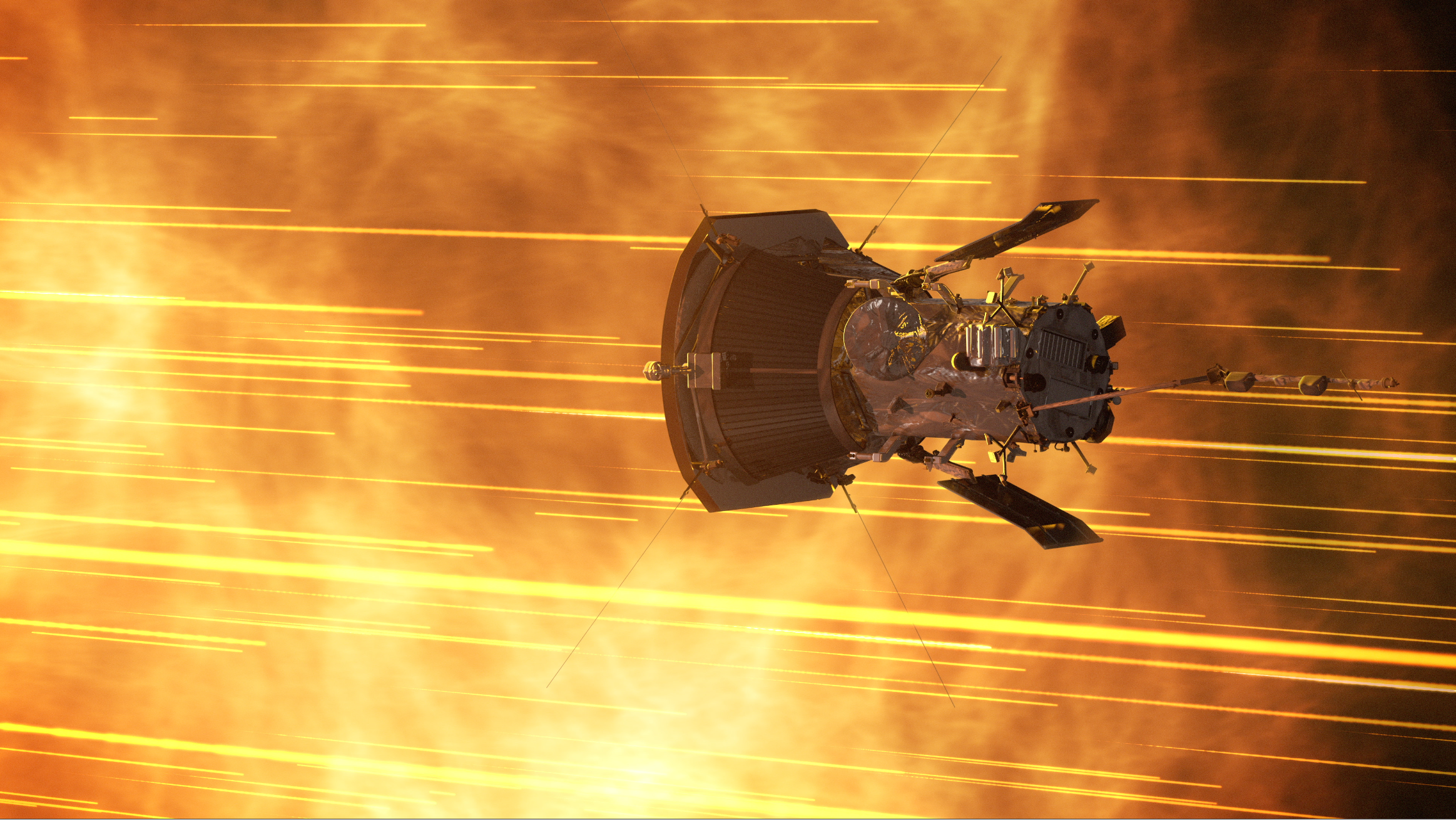
Parker Solar Probe
Studying the Sun’s corona and solar wind at record-breaking distances.Solar Orbiter (ESA/NASA)
Understanding the Sun’s poles, magnetic fields, and heliosphere.SWiPS (Solar Wind Plasma Sensor) To measure the properties of the solar wind — the stream of charged particles flowing from the Sun.
-
MESSENGER
Research scientists contributed to scientific research and data analysis, supporting studies of Mercury’s surface, geology, and space environment.
NASA Airborne Mercury Observation Campaigns
Research led and supported NASA-funded airborne investigations, collecting thermal and infrared data to advance Mercury science.
BepiColombo
Research designed and built the STROFIO instrument to measure Mercury’s ultra-thin exosphere and particle interactions.
-
Research specializes in heliophysics, magnetospheres, and space weather—this is a core strength.
IMAP (Interstellar Mapping and Acceleration Probe)
Mapping the heliosphere and how solar wind interacts with interstellar space.Magnetospheric Multiscale Mission (MMS)
Investigating magnetic reconnection near Earth.Van Allen Probes
Studied Earth’s radiation belts.THEMIS / ARTEMIS
Exploring Earth’s magnetosphere and space weather dynamics.
-
Research contributes to lunar science, surface operations, and instrumentation.
Lunar Reconnaissance Orbiter (LRO)
Mapping the Moon’s surface, radiation environment, and resources.CLPS (Commercial Lunar Payload Services)
Science instruments and payload support for lunar landers.
-
Research plays major roles in atmospheric science, plasma interactions, and surface instrumentation.
Mars Odyssey
Long-running mission mapping Martian composition and radiation.Mars Reconnaissance Orbiter (MRO)
High-resolution imaging and climate studies.Mars Science Laboratory (Curiosity Rover)
Supporting atmospheric and environmental measurements.
-
Juno
Studying Jupiter’s interior, gravity field, and massive magnetosphere.Europa Clipper
Investigating Europa’s subsurface ocean and habitability.
-
Cassini–Huygens
Studied Saturn, its rings, Titan, and icy moons.
-
New Horizons
Historic first flyby of Pluto and Kuiper Belt objects.
-
Lucy
Exploring Jupiter’s Trojan asteroids.DART (Double Asteroid Redirection Test)
Planetary defense via asteroid deflection.OSIRIS-REx
Asteroid Bennu sample return support.
-
IBEX (Interstellar Boundary Explorer)
Mapping the boundary between the solar system and interstellar space.Voyager Mission Science Support
Ongoing analysis of data from interstellar space.
Featured Products
Juno
A NASA mission designed to study Jupiter’s origin, internal structure, and powerful magnetosphere. Orbiting closer to the planet than any spacecraft before it, Juno gathers unprecedented data on Jupiter’s gravity, magnetic field, atmosphere, and core.
Juno’s science operations and data analysis, helping transform raw measurements into discoveries that reshape our understanding of the largest planet in our solar system. Through Juno, SwRI supports the investigation of how Jupiter formed and how giant planets influence the architecture of planetary systems.
Curiosity: M.S.L
Curiosity is NASA’s Mars Science Laboratory rover, designed to study the planet’s climate, geology, and potential habitability. Operating on the surface of Mars since 2012, Curiosity analyzes rock samples, monitors environmental conditions, and investigates whether Mars ever supported life.
Curiosity’s scientific investigations by supporting atmospheric studies, environmental measurements, and long-term data analysis. Through Curiosity, SwRI helps turn surface-level observations into a deeper understanding of Mars’ past and its potential to host life.
Meet the Team
-
![]()
TRACERS
Launched in 2025
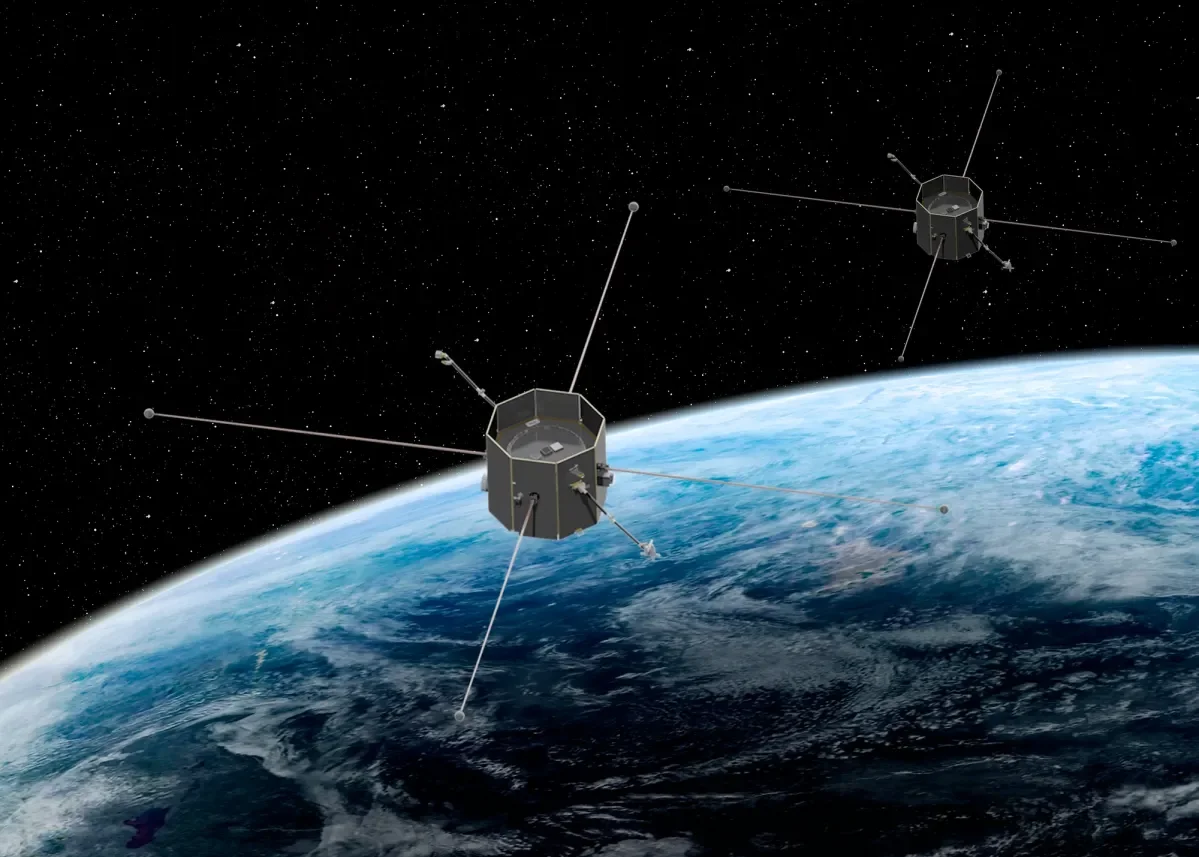
TRACERS is a pair of satellites flying in close formation to study how the solar wind interacts with Earth’s magnetic field, focusing on magnetic reconnection and energy transfer in the polar cusp regions. -
![]()
Europa Clipper
Launched in 2024
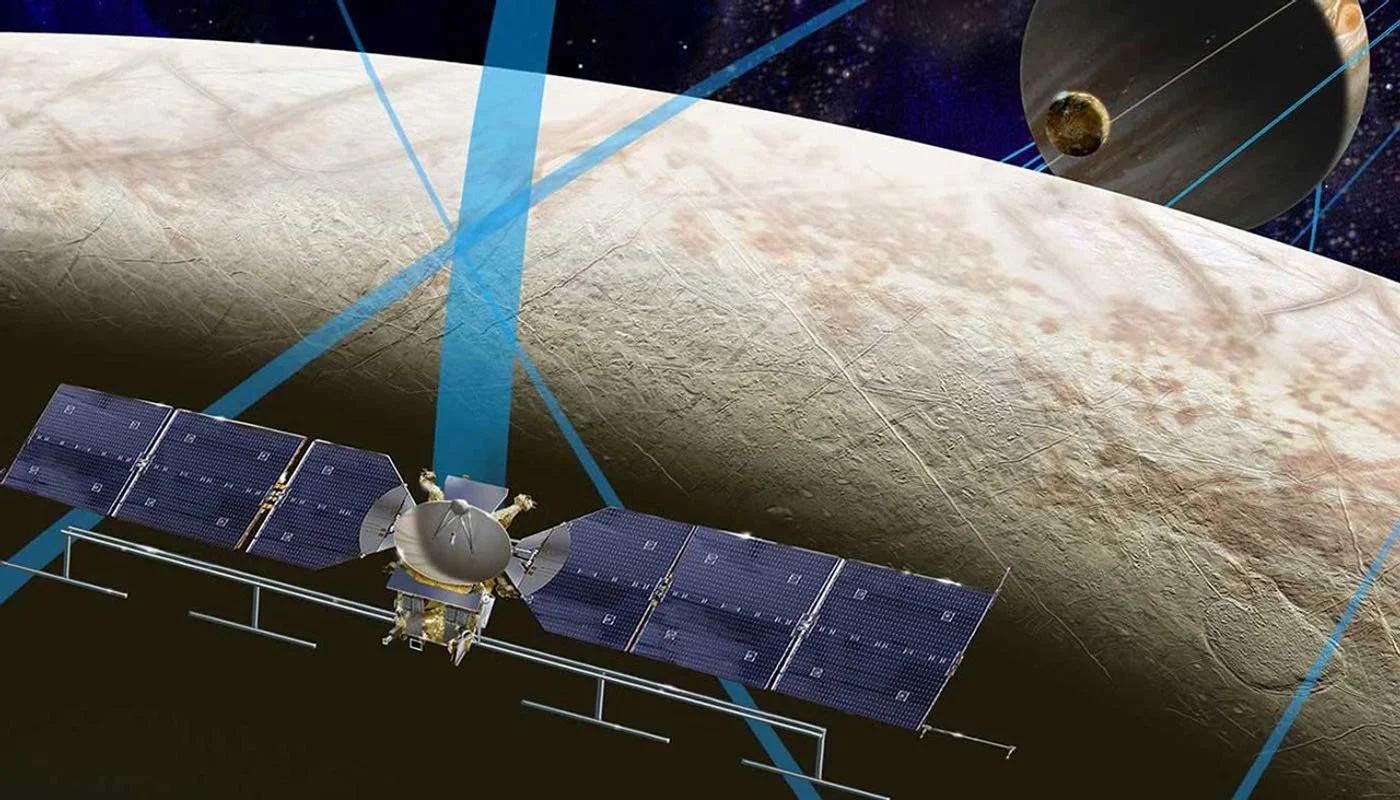
Europa Clipper is designed to investigate Europa, Jupiter’s icy moon, to determine its habitability, studying the ice shell, subsurface ocean, composition, and magnetic environment. -
![]()
SWFO-L1
Launched in 2025
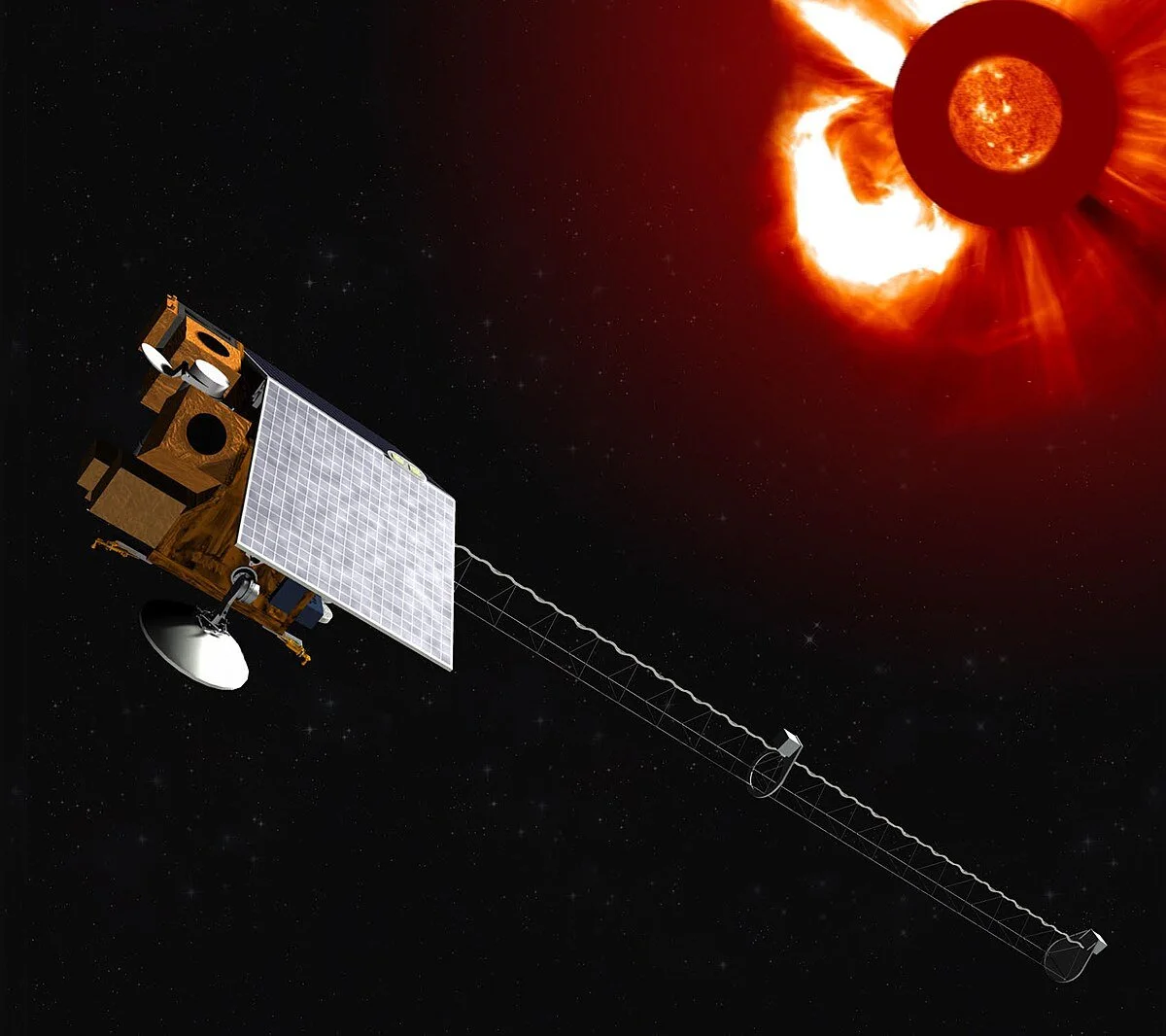
SWFO-L1 is a L1 monitoring spacecraft that continuously measures the solar wind to support real-time space-weather forecasting, protecting satellites, astronauts, power systems, and communications on Earth.SWiPS flies aboard SWFO-L1 as a high-precision plasma instrument that measures the speed, density, temperature, and composition of the solar wind — the stream of charged particles flowing outward from the Sun.
-
![]()
IMAP
Launched in 2025
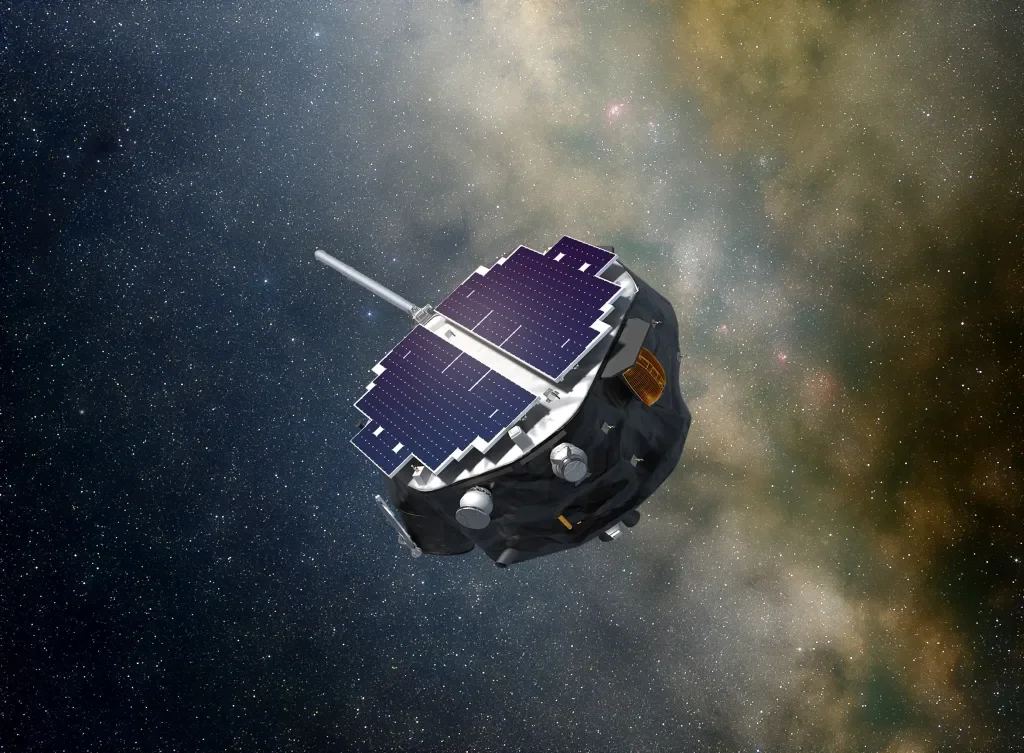
IMAP is a spacecraft designed to study the boundary of the heliosphere — where the solar wind meets interstellar space — and to investigate how energetic particles are accelerated in our solar system and beyond. -
![]()
PUNCH
Launched in 2025
PUNCH is designed to create the first continuous, global view of how the Sun’s corona transforms into the solar wind, unifying solar and heliospheric science into a single system.
-
![]()
Parker Solar Probe
Launched in 2018
Parker Solar Probe is the first spacecraft to fly through the Sun’s corona, directly sampling the solar wind and magnetic fields to understand how the corona is heated and how the solar wind is accelerated.